
The 2026 Mercedes-Benz lineup marks a turning point for the iconic German luxury brand. With electrification accelerating, technology becoming more intelligent, and design language evolving across every segment, Mercedes-Benz is preparing one of its most future-focused model years ever. From compact sedans and luxury SUVs to electric vans and performance models, the 2026 range is designed to appeal to both traditional luxury buyers and a new generation of tech-driven customers.
Rather than focusing on a single breakthrough model, Mercedes-Benz is executing a wide-scale transformation across its entire portfolio, making 2026 a defining year for the brand’s long-term vision.
A Clear Shift Toward Electric and Hybrid Power
Electrification is at the core of the 2026 strategy. Mercedes-Benz continues expanding its EQ-branded electric vehicles while also integrating electric technology into familiar nameplates. This approach allows customers to transition into EVs without abandoning the models they already trust.
New electric versions of popular segments are expected to dominate attention in 2026. Compact and midsize electric sedans and SUVs are being developed on next-generation modular platforms that prioritize range, fast charging, and interior space. Plug-in hybrids and mild-hybrid systems also remain an important part of the lineup, offering flexibility for markets where full EV adoption is still developing.
This balanced powertrain strategy ensures Mercedes-Benz can serve a global audience while steadily moving toward an electric future.
Redesigned Core Models Get Smarter and More Refined
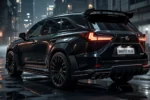
Several of Mercedes-Benz’s most important models receive updates for 2026, focusing on design refinement, digital upgrades, and efficiency improvements. Rather than dramatic redesigns, these updates aim to modernize proven platforms with cleaner styling and smarter technology.
Exterior updates across sedans and SUVs emphasize smoother surfaces, sharper lighting signatures, and improved aerodynamics. Interiors see a stronger focus on minimalism, sustainability, and digital integration. Premium materials are paired with intuitive layouts, ensuring cabins feel luxurious without being overly complex.
These refinements help core models remain competitive in an increasingly crowded luxury market.
AMG Performance Evolves With Electrified Muscle
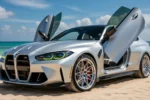
Performance remains a vital part of the Mercedes-Benz identity, and 2026 continues the evolution of AMG models. Electrification plays a growing role here as well, with hybrid performance systems delivering instant torque alongside traditional power.
AMG variants in 2026 are expected to balance raw acceleration with improved efficiency and drivability. Advanced suspension systems, adaptive driving modes, and lightweight construction help maintain the engaging character AMG fans expect. Rather than replacing performance, electrification enhances it by adding responsiveness and precision.
This shift signals that high performance and sustainability are no longer opposing ideas within the Mercedes-Benz lineup.
Expansion Into Luxury Vans and MPVs
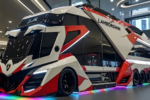
One of the most interesting developments in the 2026 lineup is the brand’s growing focus on luxury people-movers. Electric vans and premium MPVs are positioned not just as commercial tools, but as upscale family and executive vehicles.
These models prioritize interior space, modular seating, and advanced comfort features. Quiet electric drivetrains, lounge-style cabins, and smart connectivity transform the way vans are perceived. This move reflects changing customer lifestyles, where practicality and luxury increasingly coexist.
By expanding into this segment, Mercedes-Benz strengthens its presence beyond traditional car categories.
MBUX Takes a Major Leap Forward
Technology is where the 2026 Mercedes-Benz lineup truly separates itself. The latest generation of the MBUX infotainment system introduces faster processing, more natural voice interaction, and deeper personalization. Displays are larger, sharper, and more seamlessly integrated into dashboards across the range.

Artificial intelligence allows the system to learn driver preferences over time, adjusting navigation, climate, and entertainment settings automatically. Over-the-air updates ensure vehicles stay current long after purchase, adding new features and improvements without dealership visits.
This software-driven approach transforms Mercedes-Benz vehicles into evolving digital platforms rather than static machines.
Advanced Driver Assistance and Semi-Autonomous Tech
Driver assistance technology reaches a new level in 2026. Mercedes-Benz continues refining its semi-autonomous systems, enabling more confident driving in traffic and on highways. Enhanced sensors, improved AI processing, and better integration allow the vehicle to assist with steering, braking, and acceleration under specific conditions.
Rather than replacing the driver, these systems aim to reduce fatigue and increase safety. Urban commuting and long highway journeys become less stressful, aligning with the brand’s focus on comfort and control.
This gradual move toward autonomy reflects Mercedes-Benz’s cautious but confident approach to advanced driving technology.

Interior Comfort and Sustainable Luxury
Luxury in 2026 is about more than leather and wood. Mercedes-Benz places increasing emphasis on sustainability without compromising premium feel. Recycled materials, responsibly sourced trims, and energy-efficient climate systems become more common across the lineup.
Cabins are designed as calm, adaptable spaces. Ambient lighting, advanced sound systems, and ergonomic seating enhance comfort during long drives. Even entry-level models benefit from features once reserved for flagships, reinforcing a consistent luxury experience across the brand.
Global Strategy and Market Adaptation
The 2026 lineup reflects a global strategy tailored to regional demands. In some markets, electric sedans and compact SUVs take center stage, while others prioritize hybrids and traditional powertrains. Mercedes-Benz’s flexible platforms allow rapid adaptation to regulations and customer preferences worldwide.
This adaptability ensures the brand remains competitive in both mature luxury markets and rapidly growing regions.
Conclusion
The 2026 Mercedes-Benz lineup represents a confident step into the future, combining electrification, digital intelligence, performance, and refined luxury across every segment. Rather than relying on a single headline-grabbing model, Mercedes-Benz is transforming its entire range to meet evolving expectations. With smarter technology, cleaner powertrains, and a renewed focus on comfort and sustainability, the brand positions itself as a leader in the next era of premium mobility.
Disclaimer: Specifications, features, and availability may vary by market and final production models.