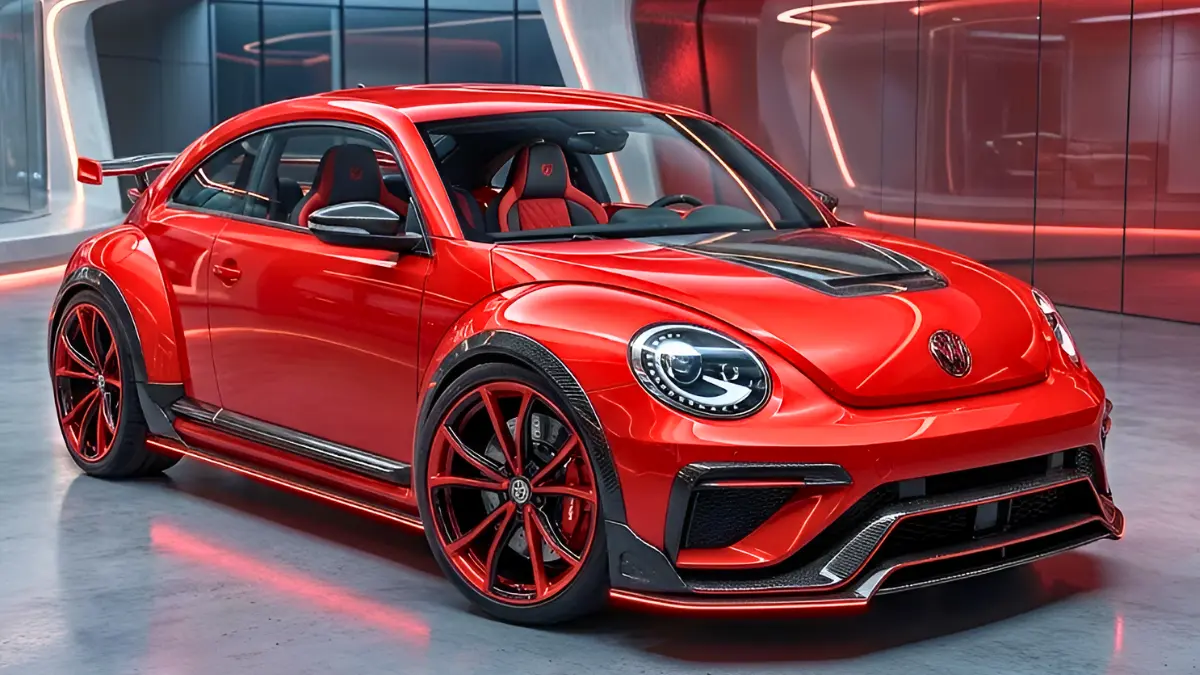
The 2026 Volkswagen Beetle marks the return of one of the most recognizable cars in automotive history. This time, the iconic model is reimagined for a new era, combining its timeless retro charm with fully electric technology and a modern design language. The revival is not about nostalgia alone. It is about redefining what an icon can be in a world focused on sustainability, technology, and everyday usability.
For decades, the Beetle represented simplicity, personality, and emotional connection. The 2026 version aims to carry that legacy forward while embracing the future of mobility.
Why the Beetle’s Return Matters in 2026
The automotive industry is undergoing a major transformation as electric vehicles become mainstream. Reviving the Beetle as an EV allows Volkswagen to reconnect with its heritage while staying relevant in a rapidly changing market. Instead of creating another generic electric hatchback, the Beetle brings emotion and identity back into the conversation.
In a segment dominated by sharp lines and minimalist designs, the Beetle’s rounded shape and friendly personality stand out. Its return signals that electric cars can still have character, warmth, and storytelling.
Retro Design That Honors the Original
The 2026 Beetle stays true to its roots with a familiar silhouette that instantly triggers recognition. Rounded fenders, a curved roofline, and a compact footprint define its profile. However, these classic elements are carefully blended with modern details such as sleek lighting, refined surfaces, and cleaner proportions.
The design avoids feeling outdated by balancing retro cues with contemporary styling. It feels playful yet premium, making it appealing to both longtime Beetle fans and younger buyers discovering the model for the first time.
Modern EV Platform Under a Classic Shape
Beneath the retro exterior lies a thoroughly modern electric architecture. The 2026 Beetle is expected to be built on a dedicated EV platform, allowing for efficient packaging, improved safety, and a low center of gravity.
Electric power enables smooth acceleration, quiet operation, and responsive city driving. The compact size makes it ideal for urban environments, while the EV setup ensures zero tailpipe emissions and lower running costs compared to traditional combustion models.
Interior That Blends Nostalgia With Technology
Inside, the Beetle continues its theme of old meeting new. The cabin is designed to feel welcoming and personal rather than cold and overly digital. Soft-touch materials, circular design elements, and subtle retro references create a sense of familiarity.
At the same time, modern infotainment and digital displays ensure the car meets current expectations. The layout focuses on simplicity and ease of use, avoiding unnecessary complexity while still offering connectivity, navigation, and smart features.
Performance Designed for Everyday Enjoyment
The 2026 Beetle is not intended to be a performance car in the traditional sense. Instead, it focuses on smooth, accessible driving that suits daily life. Instant electric torque makes city driving effortless, while predictable handling and compact dimensions inspire confidence behind the wheel.
The emphasis is on balance rather than extremes. It is designed to be enjoyable at normal speeds, easy to park, and comfortable for everyday commuting.

What Makes the 2026 Beetle Stand Out
- Fully electric powertrain with zero tailpipe emissions
- Iconic Beetle design reinterpreted for a modern era
- Compact size ideal for city and daily use
- Interior that blends retro charm with digital features
- Focus on personality and emotional appeal
Who the New Beetle Is Designed For
The revived Beetle targets a wide audience. It appeals to longtime fans who grew up with the model, as well as new buyers looking for an electric car that feels different from the norm. It is especially suited for urban drivers, young professionals, and households seeking a second car with character.
Rather than competing purely on range or performance numbers, the Beetle competes on design, identity, and emotional value.
Volkswagen’s Strategy Behind the Revival
For Volkswagen, bringing back the Beetle is about more than reviving a name. It represents a strategic move to humanize its electric lineup. While EVs like the ID series focus on efficiency and technology, the Beetle brings soul and heritage into the electric age.
This approach helps Volkswagen differentiate itself in a crowded EV market and reinforces its ability to blend innovation with tradition.

How the Beetle Fits Into the EV Future
As governments push toward stricter emission norms, electric cars are becoming the default choice rather than an alternative. The 2026 Beetle shows how classic models can evolve without losing their essence.
It also demonstrates that sustainability does not have to mean sacrificing design or personality. The Beetle’s return suggests a future where electric cars are not just practical tools, but emotional objects people genuinely connect with.
Challenges and Expectations
Reviving an icon comes with high expectations. Fans expect authenticity, while new buyers expect modern performance and reliability. Balancing nostalgia with innovation is a delicate task, and the success of the 2026 Beetle will depend on how well it delivers on both fronts.
Pricing, range, and real-world usability will play a major role in determining its market impact.

Conclusion
The 2026 Volkswagen Beetle represents a thoughtful and emotional return of a global icon. By combining electric technology, retro charm, and modern design, it bridges the gap between past and future. Rather than chasing trends, the Beetle embraces its identity and adapts it for a new generation. If executed well, this revival could prove that icons still have a place in the electric era.
Disclaimer: This article is based on expectations and industry insights regarding a potential 2026 Beetle revival. Specifications, features, and production details may change or differ from final official announcements.